

 01432 677 000

Bottle Capping Machines

AutoPack supplies a comprehensive range of bottle capping machines designed to securely apply and tighten caps and closures across a variety of bottle types. Our automatic and semi-automatic bottle capping equipment includes rotary, inline, direct pick and pick-and-place systems, with solutions for different production speeds, container sizes and closure requirements.
Suitable for applications across the food, drinks, pharmaceutical, chemical and personal care industries, our bottle capping machines can handle screw caps, ROPP closures, pumps, triggers and spray tops. Explore our range to find the right capping solution for your production line.


This automatic rotary capper is designed for medium-high speed productions using a huge range of ...
View Details

This Tedelta automatic capping machine uses direct pick technology. As the bottle moves into the ...
View Details

This is an automatic capping machine designed for caps with an attached straw e.g. pumps and trig...
View Details

Types of Bottle Capping


Range Overview
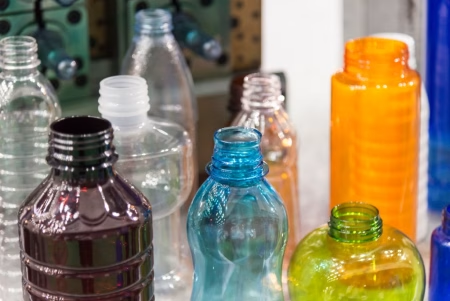
Bottle cappers complete the seal between a container and lid. Dependent on the packaging type, suitable machines vary in configuration, size, production rates and operational type.
The different machine type depends on your production requirements. For small-medium production facilities there are semi-automatic cappers, inline cap tighteners and inline cappers, for trigger and pump bottles there are specially designed machines, and for medium-large production requirements we have rotary cappers.
Pick and Place machines involve a mechanical element that transfers the cap from the chute to the capping heads whereas on Direct Pick machines, the bottle passes the chute, taking the cap with it. On all of these machines there are different types of capping heads suitable for different cap styles enabling the processing of multiple lid and container types within one machine. There are hysteresis, magnetic, roll-on, push-on and servo-driven options which can then be further adapted to the unique lid properties.
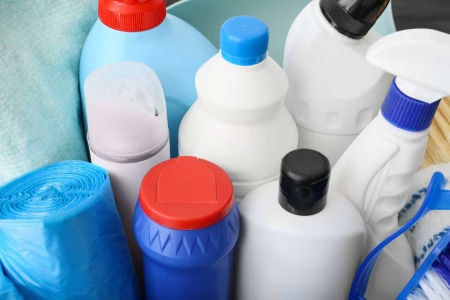
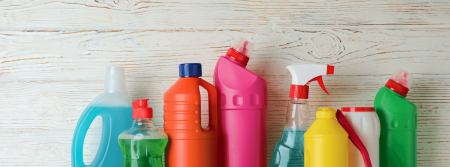
Our capping systems are used throughout the pharmaceutical, toiletry and cosmetic industries. A high-quality bottle cap machine ensures an antibacterial and sterile seal of vital liquids. Some chemical products, such as those used for cleaning or in the home, are best sealed by a bottle sealing machine to prevent spillage.
Cap sealing machines are available in manual, semi-automatic and automatic formats, where each can be connected as a part of your production line to create a fully automated procedure from start to finish. These machines can easily be synchronised with other processing and packaging machinery including empty container handling systems, liquid fillers, weighing equipment, and end-of-line equipment.
Looking for machinery suitable for different container and closure types? Explore our full range of capping machines, including automatic bottle and jar capping equipment.
Customer Comments
We are proud to be a trusted packaging machine supplier. Read what our previous customers have had to say about our services.

Benefits of Bottle Capping Machines
Bottle capping machines can be easily integrated into existing production lines but can also be purchased as part of a full turnkey project. These machines can be integrated and accompany other processing and packaging machinery like empty container handling systems, liquid fillers, weighing equipment and end-of-line equipment, all of which are installed and serviced by our UK based company.

Our Industries
We supply bottle capping machines to many businesses across a variety of industries. Click on your sector below and discover how our packaging equipment can improve your production processes.
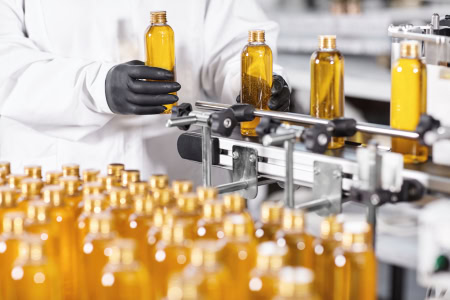

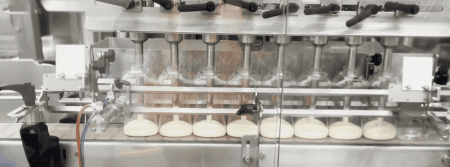


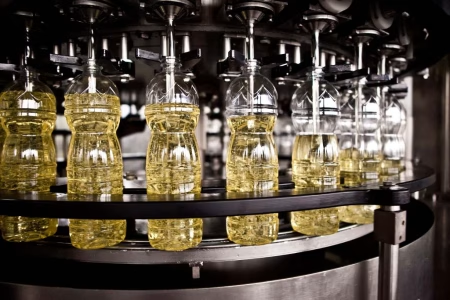

Different capping machines work in slightly different ways depending on the model. A semi-automatic bottle capping machine will require an operative to put the cap or seal in place for the system to complete the sealing process.
An automatic bottle sealing machine, whether spinning the cap onto the bottle, placing a cap over the opening or pushing a plug or cork into the neck opening, will draw the bottles into the machine, seal them according to the program and sealant, and then deliver the capped product at the end of the procedure. Some systems can repeat the process between 600 and 54,000 times every hour.
