

 01432 677 000

Automatic Capping Machines

Our Range of Capping Machines
A capping machine secures caps, lids and other closures onto bottles, jars and other rigid containers. Autopack supplies semi-automatic and automatic capping machinery for different container formats, closure types and production requirements, with installation and aftersales support across the UK and Ireland.
We can supply standalone machines or integrate capping equipment with liquid filling machines, powder filling machines and other packaging machinery to create a complete production line. Our team will assess your requirements before recommending a suitable solution.


This is a benchtop, semi-automatic, mechanical vacuum, glass jar capping machine ideal for small-...
View Details

This is a fully-automatic, mechanical vacuum, glass jar capping machine ideal for medium sized pr...
View Details

The most advanced in the range, the OX3 is a fully-automatic capping machine ideal for large scal...
View Details

The MC50 is the smallest in the range, ideal for small-medium sized packaging facilities that req...
View Details

The MC100 is ideal for medium-sized facilities that are vacuum sealing jars with or without the u...
View Details

The MC200 is an automatic machine sealing jars at a rate of up to 200/min making it ideal for med...
View Details

The MC300 seals jars at a faster rate so it is ideal for larger scale facilities, with the option...
View Details

The MC500 is the largest in the range, ideal for large-scale facilities with its sealing rate of ...
View Details

Types of Capping Machines

Jar Capping Machines
Jar capping machines secure lids onto glass jars and other suitable containers, with vacuum capping options available for relevant applications.
- Closure types: Twist-off lids and other compatible jar closures.
- Capping methods: Dry and steam vacuum systems, depending on the product and sealing requirements.
- Automation options: Benchtop semi-automatic machines through to fully automatic systems.
- Production capacity: Equipment suitable for smaller operations and higher-volume jar production.
Best for: Food products, sauces, preserves and other goods packaged in sealed jars.

Bottle Capping Machines
Bottle capping machines apply and tighten closures onto filled bottles, with machinery available for different cap styles and production requirements.
- Closure types: Screw caps, ROPP closures, push-on caps, pumps and triggers, depending on the machine.
- Automation options: Semi-automatic, inline and rotary capping systems.
- Production capacity: Machines selected according to required output, bottle handling and closure application.
- Line integration: Options for connecting capping equipment with filling, container handling and downstream machinery.
Best for: Bottled drinks, household products, personal care liquids and other bottled goods.

How Does a Capping Machine Work?
Capping machines position and secure lids or closures onto containers using a mechanism suited to the packaging format. Depending on the equipment, operators may place caps manually or the machine may automatically feed, position and tighten them. The process typically involves three stages, although the precise sequence varies between machines.
Container and Cap Infeed
Containers enter the capping machine through a conveyor or are positioned manually, depending on the level of automation. Automatic systems may use cap feeders and chutes to orient and supply closures, while semi-automatic machines generally require an operator to position the container or cap.
Cap Placement and Tightening
The machine secures the closure using an appropriate capping head or mechanism. In pick-and-place systems, a mechanical component transfers the cap from the feed chute to the capping position. Direct-pick systems allow the moving container to collect the cap.
Different applications may require magnetic, hysteresis, servo-driven, roll-on or push-on capping mechanisms. The appropriate method depends on the cap design, container and required sealing characteristics.
Discharge and Line Integration
Once capped, containers leave the machine for the next production stage. Depending on the line, this may involve labelling, inspection or end-of-line packaging equipment.
Capping machines can also operate alongside powder filling machines, liquid filling machines and empty container handling systems. Autopack’s packaging line design service can bring these processes together as part of an integrated installation.
How to Choose the Right Capping Machine
The most suitable capping machine depends on what you are packaging, the closures you use and the demands of your production line. Understanding these requirements early makes it easier to select equipment that performs consistently and accommodates future changes.
Different closures require different application methods. Screw caps need controlled tightening, while pumps, triggers, push-on closures and plugs or corks may require specialist machinery.
Container shape, neck dimensions, material and closure design also influence the available options. Autopack can assess these details to establish which capping technology is suitable for your application.
Customer Comments
Hear from manufacturers who have worked with Autopack on capping machinery, filling-and-capping line integration and equipment installation.

Benefits of Capping Machines
The appropriate capping mechanism applies closures in a controlled, repeatable manner. Correct machine setup supports consistent cap tightening and sealing across production runs, reducing variations associated with manual application.

Capping Machine Industry Applications
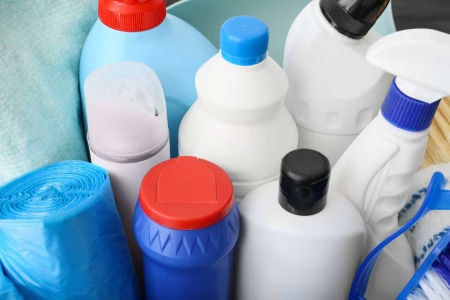
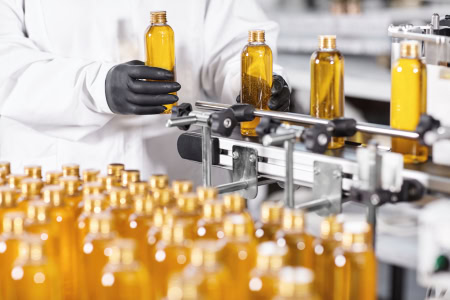
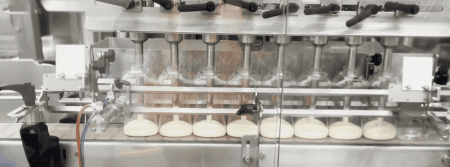
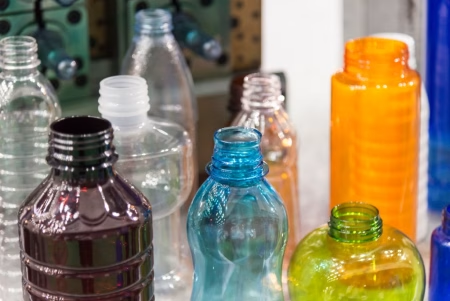
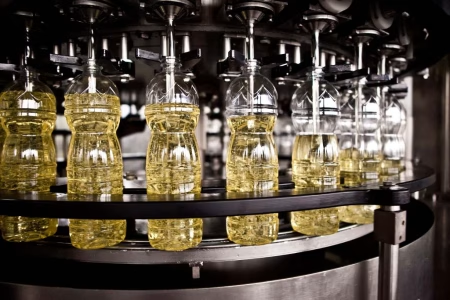
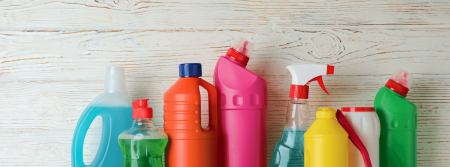
Capping requirements vary between industries, from securing lids on food jars to applying specialist closures to household chemicals and personal care products.



Why Choose AutoPack for Capping Machines?
Autopack’s comprehensive customer care process allows us to support you every step of the way, from initial contact through to installation and beyond.
Application-Led Capping Selection
We take the time to understand your production requirements before recommending machinery. This includes assessing your containers and closures, expected output, available space and changeover requirements.
As an independent machinery supplier, we recommend equipment that suits your operation, even if that means advising against a sale.
Filling and Capping Line Integration
For integrated projects, our team assesses how the capper will work with liquid filling equipment, container handling and downstream machinery, taking account of line speeds and your existing layout.
Our bespoke line design and project management services provide coordinated support from initial planning through to installation and commissioning.
Installation and Ongoing Aftersales Support
Our involvement continues beyond machinery selection and supply. Autopack’s in-house engineers provide installation and commissioning support, followed by practical operator training to familiarise your team with the equipment.
We also offer maintenance and service contracts, spare parts and replacement components and ongoing technical assistance across the UK and Ireland.

A capping machine is a piece of packaging equipment that applies or secures caps, lids and other closures onto containers such as bottles and jars.
Capping machines are available in semi-automatic and automatic configurations, with different mechanisms used for particular closure types. They can operate independently or form part of a larger production line, depending on the requirements of the manufacturer.
