

 01432 677 000

Automatic Bag-in-Box Filling Machines

Automatic bag-in-box filling machines are designed to fill and seal flexible bags with liquid products, reducing manual handling and improving production efficiency. Autopack supplies fully automatic bag-in-box filling equipment for a range of industrial applications, with options for automated bag feeding, decapping, filling and recapping. Our machinery can be integrated into existing production lines or incorporated into a complete bag-in-box packaging system.


This is a fully automatic bag-in-box filling machine. Once loaded, bags are drawn in one-by-one, ...
View Details

This is the aseptic, sterilising version of the automatic ecofill master. Chemical agents and ste...
View Details

Range Overview
Our range of automatic bag-in-box filling machines provides efficient, reliable solutions for businesses looking to automate their liquid packaging operations. Designed to handle flexible bags fitted with dispensing taps or valves, these systems streamline the filling process while reducing the need for manual intervention.
Automatic bag-in-box fillers can perform several stages of the filling process, including bag feeding, cap or valve removal, product filling and recapping. Depending on the machine configuration, additional features such as nitrogen flushing and aseptic filling technology may also be available to suit specific product and hygiene requirements.
Different filling capacities and production speeds can be accommodated depending on the machine selected, making automated bag-in-box filling suitable for businesses with varying output requirements.
Our range includes equipment for standard liquid filling applications alongside specialist aseptic systems designed for products requiring additional hygiene controls.
For businesses looking to automate the wider packaging process, our automatic filling machines can also be integrated with bag-in-box carton erectors and carton closing equipment to create a complete bag-in-box production line.
Whether you’re upgrading existing equipment or investing in a new automated filling system, Autopack can help you select machinery suited to your product, packaging format and production requirements.
Customer Comments
We are proud to be a trusted packaging machine supplier. Read what our previous customers have had to say about our services.

Benefits of Automatic Bag-in-Box Filling Machines
Automatic bag-in-box filling machines offer several advantages for manufacturers looking to increase production capacity, improve filling consistency and reduce manual handling.
By automating the bag feeding, filling and sealing processes, these machines help streamline production and minimise the need for operators to complete repetitive tasks.
Automated filling controls help maintain consistent fill volumes, reducing the risk of overfilling, product giveaway and unnecessary waste. This is particularly important for businesses handling high volumes of liquid products, where filling accuracy and repeatability are essential.
For products requiring additional hygiene controls, specialist aseptic filling machines are available to support more demanding processing requirements.
Another advantage is the ability to integrate automatic bag-in-box fillers with other packaging machinery. Carton erecting, filling and closing equipment can be combined into a continuous production line, helping businesses reduce handling between individual packaging stages.
With different configurations available, automatic bag-in-box filling equipment can be selected to suit the product being packaged, the required production speed and the level of automation needed.

Our Industries
View our wide range of innovative industrial packaging machines to speed up and automate your production line.
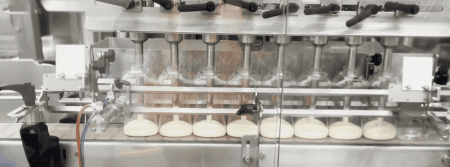

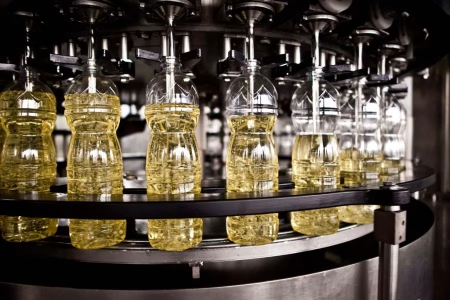

Automatic bag-in-box filling machines automate the process of filling flexible bags with liquid products. Depending on the machine, the process can include feeding bags into position, removing the cap or valve, dispensing the required volume of liquid and securely replacing the closure. Filled bags can then be transferred to the next packaging stage.
