

 01432 677 000

Bag-in-Box Filling Machines

Our Range of Bag-in-Box Filling Machines
A bag-in-box filling machine has to suit more than the bag. The product, closure, fill volume and amount of operator involvement all shape the specification. Autopack supplies manual, semi-automatic and automatic equipment, helping manufacturers increase automation at a pace that makes commercial sense. Browse our wider filling machines and packaging machines, or talk to our team about machinery selection and support across the UK and Ireland.


This Ecofill Easy Start Filling equipment is similar to the ARM model but uses pneumatics to fill...
View Details

The Ecofill Easy Start Arm is a manual bag-in-box filling machine capable of accurately filling b...
View Details
This STD Ecofill Easy Start Arm is another manual bag-in-box filing machine, however, the operato...
View Details

Types of Bag-in-Box Filling

Manual Bag-in-Box Filling Machines
With a manual filler, the operator presents each bag and handles more of the filling and capping process. This option can work well for shorter production runs, lower volumes or businesses introducing machinery without committing to a more automated line.

Semi-Automatic Bag-in-Box Filling Machines
Semi-automatic fillers take care of selected tasks while the operator remains involved in presenting or removing the bag. They offer a practical middle ground when manual filling is becoming restrictive but a fully automatic system is not yet required.

Automatic Bag-in-Box Filling Machines
Automatic fillers can manage bag feeding, filling, capping and discharge with less operator involvement. They are generally considered for higher-volume production or when the filling machine needs to work continuously with other automated packaging equipment.

How Does Bag-in-Box Filling Work?
Although the exact sequence varies by machine, the basic process is straightforward. An empty bag is presented to the filling head, either individually or from a connected web. The cap or valve is removed, the required amount of product is dispensed and the closure is replaced. The filled bag is then removed by the operator or discharged automatically.
On a more connected bag-in-box line, a carton can be erected and prepared while the bag is being filled. The filled bag is placed into the box before the top flaps are secured by carton-closing equipment. Further machinery can then prepare the finished boxes for storage or dispatch.
Bag-in-Box Filling for Automated Production
The benefit is a more controlled process with less reliance on each pack being filled entirely by hand. However, the right setup still depends on the product, bag size, cap type and number of finished packs required. Filling accuracy, cleaning and changeovers also need to work in day-to-day production. Surrounding equipment must be considered too, otherwise increasing capacity at the filler may simply move the bottleneck further along the line.
Customer Comments
We are proud to be a trusted bag-in-box machine supplier. Read what our previous customers have had to say about our services.

How to Choose the Right Bag-in-Box Filling Machine
It is easy to focus on the level of automation, but several other details affect which machine will work in practice. We consider the following points before discussing a suitable bag-in-box filler.
Varying liquids behave differently during filling. Viscosity, flow and product sensitivity may affect the filling head and type of machine required.
Why Choose Autopack for Bag-in-Box Filling Machines?
Buying the filler is only one part of the project. We also consider how the machine will fit into your production process and what support will be needed once it is running.
Solutions-Led Advice
We are not tied to one fixed machinery range. That gives us room to recommend equipment around the application rather than steering every customer towards the same answer.

Integration With Existing Lines
Our team reviews the equipment already in place and plans how the new filler will connect with the rest of the process.

In-House Engineering Support
Autopack engineers handle installation and commissioning, so the people providing technical support understand how the equipment has been set up.

Pre- and Post-Sale Support
Support covers machinery selection, project planning and installation, followed by training, servicing, spare parts and technical assistance.

Bag-in-Box Filling Applications
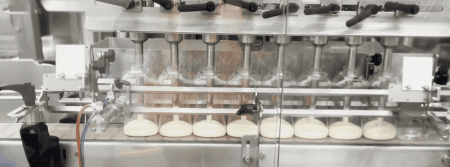
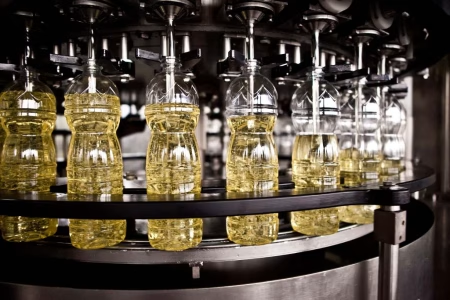
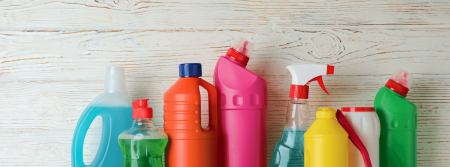
Bag-in-box packaging is widely associated with beverages such as water and wine, but it can also be used for other liquid products. Compatibility depends on factors including viscosity, particulates, product sensitivity and cleaning requirements. Autopack supports the industries below, although the individual product and pack must be assessed before a particular machine is recommended.



Bag-in-Box Filling as Part of a Complete Packaging Line
The filling machine can work alone or form part of a semi-automated or automatic line. Autopack develops bespoke packaging solutions and provides project management for projects involving several connected machines.
Carton Closing and Downstream Equipment
For a more automated process, a carton erector can prepare each box before the filled bag is inserted. A carton closer can then secure the top flaps before the finished boxes move on to palletising or wrapping.
Line Integration and Installation
Autopack can handle new machine sales as well as the planning needed to connect each part of the line. Our in-house engineers manage machinery installation, equipment setup and commissioning within the agreed project scope.
Ongoing Aftersales Support
Once production begins, our wider packaging machinery services remain available. These include practical machinery training, maintenance and service contracts and access to spare parts and components for equipment.

A bag-in-box filling machine dispenses a measured amount of product into a flexible bag before replacing its cap or valve. The filled bag is then placed into a carton manually or using connected equipment. This type of bag filling machine can operate independently or form part of a wider line of filling machines and packaging machines.
